 by
by A credit card can be a useful financial tool when you understand how it works. Many people receive a credit card, start using it for purchases, and only look at the statement when the payment is due. However, your credit card contains several important details that can affect your spending, fees, rewards, and monthly payments.
Knowing how to check your credit card details can help you avoid unexpected charges and make better financial decisions. Whether you have a new card or have been using one for years, it is worth understanding what each feature means.
At FinanceTrack America, our goal is to make financial topics easier to understand so you can make informed decisions about your money.
What Are Credit Card Details?
Credit card details are the information connected to your credit card account. Some details are printed directly on the physical card, while other information can be found through your bank’s mobile app, online banking account, credit card statement, or customer service.
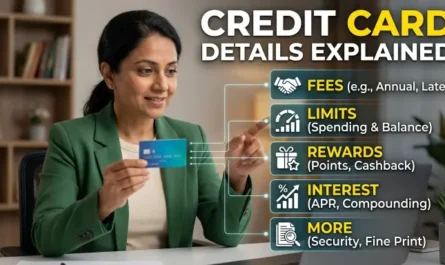
Important details may include your credit limit, available credit, current balance, payment due date, minimum payment, interest rate, annual fee, rewards, and transaction history.
You should regularly review these details instead of waiting until there is a problem.
Where Can You Check Your Credit Card Details?
Most cardholders have several ways to access their account information.
The easiest method is usually your bank’s official mobile app. After signing in, you can normally see your current balance, available credit, recent transactions, payment due date, and minimum payment.
You can also use your bank’s online banking website. Monthly credit card statements provide another useful source of information because they contain detailed information about your billing cycle, purchases, fees, interest, and payments.
If you cannot find specific information, you can contact the card issuer through the official phone number or secure messaging option provided by the bank.
Important Credit Card Features You Should Understand
Not every number shown on your credit card account has the same meaning. Understanding the major features can help you manage your account properly.
| Credit Card Feature | What It Means | Why It Matters |
|---|---|---|
| Credit Limit | Maximum amount you can borrow | Determines your available spending capacity |
| Current Balance | Amount currently owed | Helps you understand your total outstanding balance |
| Available Credit | Credit still available for use | Shows how much more you can generally spend |
| Minimum Payment | Smallest required payment | Helps keep the account from becoming past due |
| Payment Due Date | Date payment must be received | Missing it can lead to fees and other consequences |
| APR | Annual percentage rate charged on balances | Important when carrying a balance |
| Annual Fee | Yearly charge for the card | Affects the overall cost of the card |
| Foreign Transaction Fee | Fee that may apply to certain foreign transactions | Important for international spending |
| Rewards Rate | Points, miles, or cash back earned | Helps you evaluate the value of the card |
| Billing Cycle | Period covered by a statement | Determines which transactions appear on each statement |
Understanding Your Credit Limit
Your credit limit is the maximum amount of credit your card issuer allows you to use at one time.
For example, if your credit limit is $5,000 and you have used $1,500, your available credit may be approximately $3,500, assuming there are no pending transactions or other adjustments.
A credit limit is not the same as an amount you should spend. Having a high limit does not mean you need to use all of it.
Keeping your spending under control can make it easier to pay your balance in full each month.
Current Balance vs. Available Credit
These two numbers can sometimes confuse new cardholders.
Your current balance represents what you currently owe according to the account’s latest information. Your available credit indicates how much of your credit line remains available.
For example, imagine a card has a $4,000 credit limit and you have $800 in posted purchases. Your available credit could be around $3,200.
However, pending transactions, payments that have not fully processed, and other account adjustments can affect these numbers.
Check Your Payment Due Date
The payment due date is one of the most important details on your credit card account.
Your card issuer normally provides a due date on your monthly statement and within your online account. You should know this date and make sure your required payment reaches the issuer on time.
Setting up automatic payments or calendar reminders can help reduce the chance of forgetting.
However, automatic payments should not replace checking your account. It is still a good idea to review your statement regularly.
What Is the Minimum Payment?
The minimum payment is the smallest amount you generally need to pay by the due date to keep the account from being treated as unpaid according to the card’s terms.
Although paying only the minimum can help you avoid an immediate missed payment, it may not be the most economical strategy if you are carrying a balance. Interest can continue to accumulate depending on your account terms.
If possible, paying the statement balance in full can help you avoid interest on purchases when your card’s terms provide a grace period and you have maintained that grace period.
Understand Your APR
APR stands for Annual Percentage Rate. It is one of the most important numbers to understand if you carry a balance.
Credit cards can have different APRs for purchases, balance transfers, and cash advances. Your card agreement and statement should explain the applicable rates.
A lower APR can be valuable for someone who regularly carries a balance, but APR should not be the only factor when comparing cards.
If you normally pay your statement balance in full, other features such as rewards, fees, benefits, and acceptance may be more relevant to your decision.
Look for Annual and Other Fees
Credit cards can come with different types of fees.
An annual fee is charged once per year on cards that have one. Some cards have no annual fee, while others charge a fee in exchange for rewards or additional benefits.
You may also encounter fees related to foreign transactions, balance transfers, cash advances, late payments, or returned payments.
Before using a credit card, review the fee information in your card agreement. This helps you understand the potential cost of different transactions.
Review Your Rewards and Benefits
If your credit card offers cash back, points, miles, discounts, or other benefits, check how the rewards system works.
For example, a card might offer a higher rewards rate for certain spending categories and a lower rate for other purchases. Some rewards may expire, while others may have redemption restrictions.
Do not spend extra money simply to earn rewards. A reward is only useful when it supports your normal spending habits rather than encouraging unnecessary purchases.
Check Your Transactions Regularly
Reviewing your transaction history is an important part of managing a credit card.
Look for purchases you recognize and check the amounts against your receipts or other records. If you see a transaction you do not recognize, contact your card issuer through an official channel as soon as possible.
Regular account reviews can also help you identify subscriptions or recurring charges that you no longer use.
Never share your full card number, security code, PIN, password, or one-time verification code with someone who contacts you unexpectedly.
How to Read Your Credit Card Statement
Your monthly statement can contain a lot of information, but the main sections are usually easy to understand once you know what to look for.
Start by checking the statement period. Then review the previous balance, payments, purchases, credits, fees, interest charges, and new balance.
Pay close attention to the payment due date and minimum payment.
If something looks incorrect, compare it with your transaction history and contact the card issuer using the official contact information on your statement or banking app.
A Simple Monthly Credit Card Check
You do not need to spend hours managing your credit card. A simple monthly routine can make a big difference.
First, check your current balance and available credit. Next, review your recent transactions for anything unusual. Then check your statement balance, minimum payment, and due date.
After that, review any fees or interest charges. Finally, check your rewards balance if your card provides rewards.
This simple process can help you stay aware of your financial situation.
Final Thoughts
Understanding your credit card details is an important part of responsible money management. Your credit limit, balance, available credit, APR, payment due date, minimum payment, fees, rewards, and transaction history all provide useful information about how your card is working.
Instead of using your card without checking these details, take a few minutes each month to review your account. This can help you recognize unusual transactions, avoid missed payments, understand potential costs, and use your card more effectively.
Remember that every credit card has its own terms and conditions. Always check the information provided by your card issuer before making important financial decisions.
FinanceTrack America aims to provide easy-to-understand financial information to help readers learn more about credit cards, banking, personal finance, and everyday money decisions.